
✖
菜单
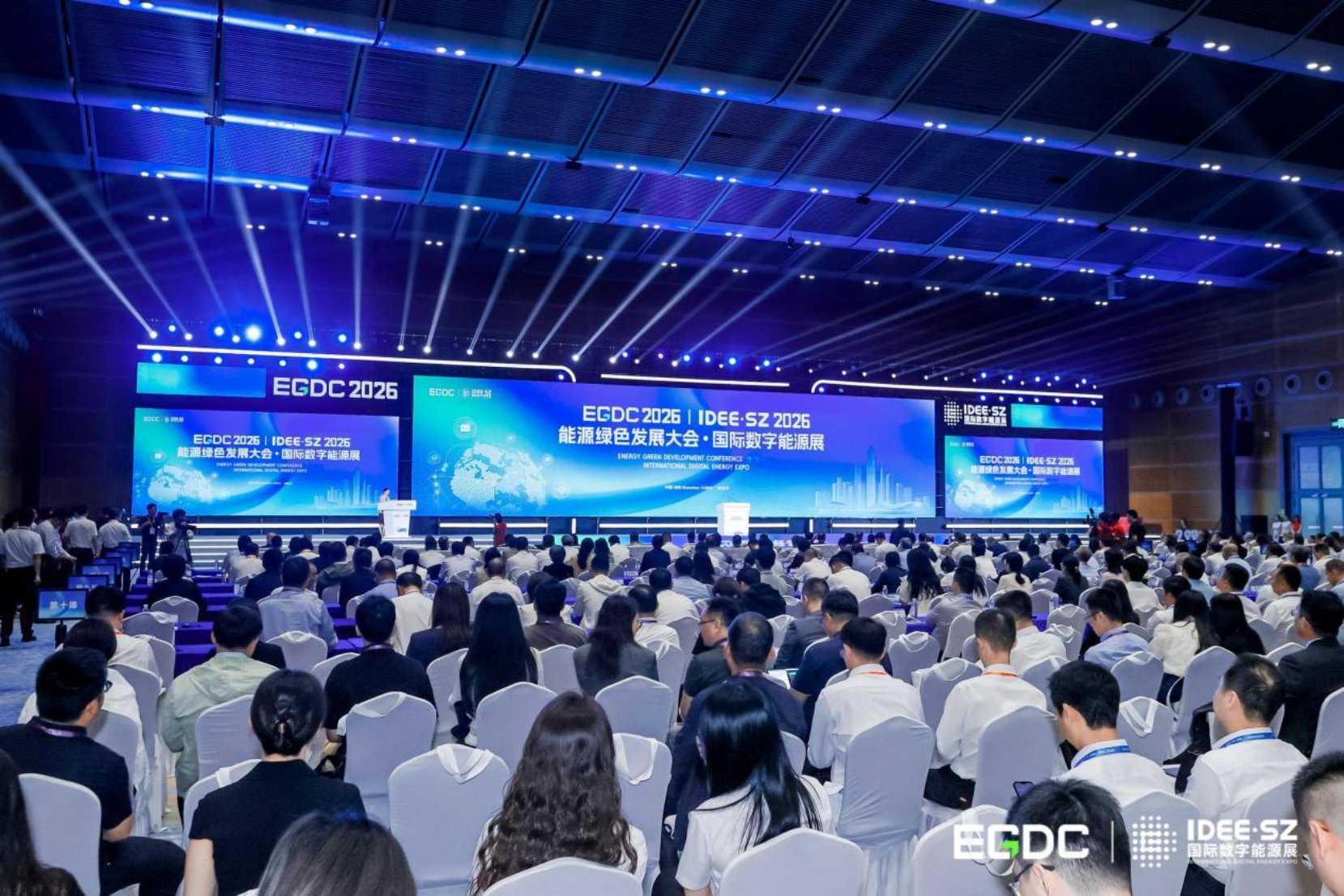
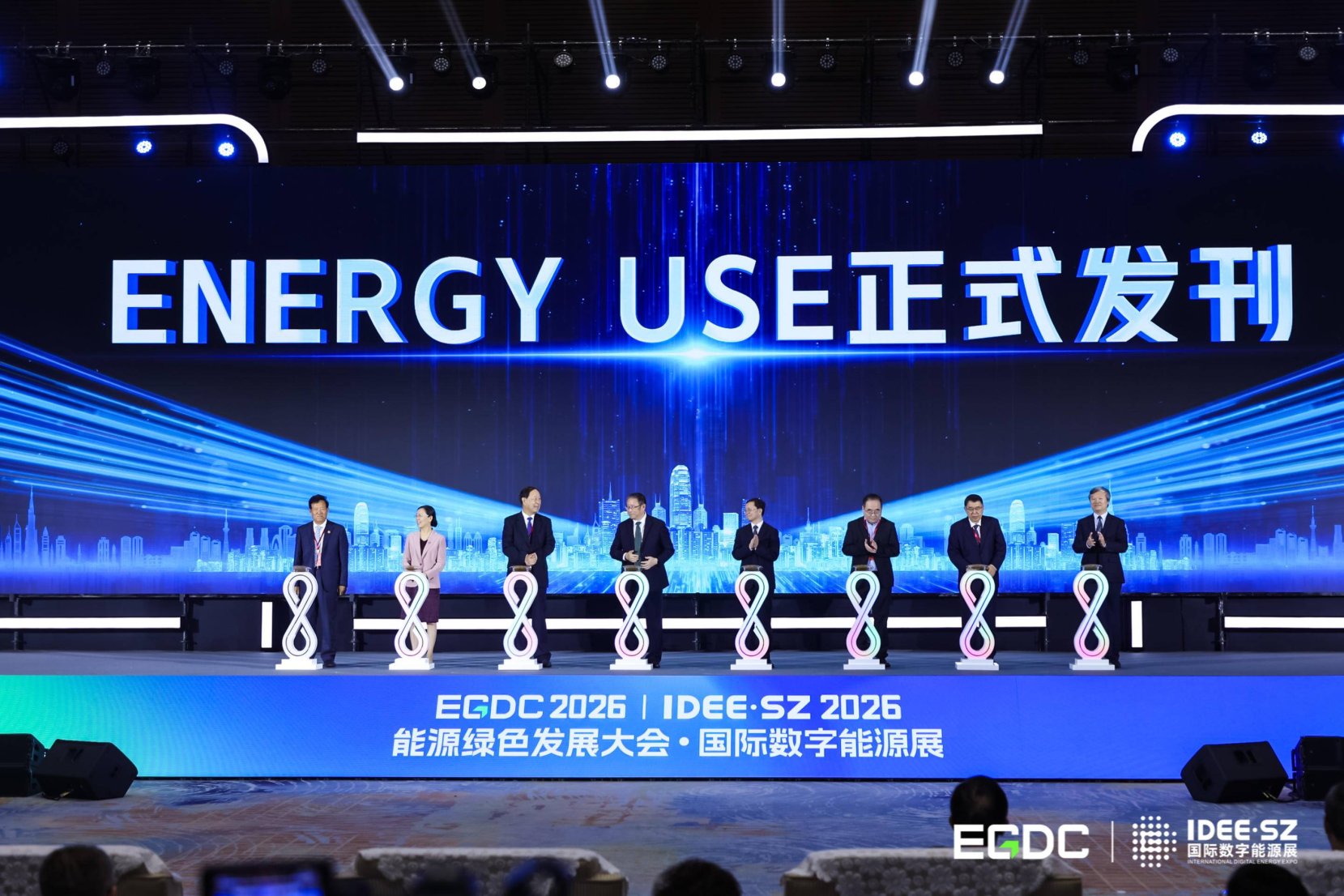
On September 15, the 2026 International Digital Energy Expo (IDEE·SZ) kicked off at the Shenzhen Convention and Exhibition Center, jointly opening with the 2026 Energy Green Development Conference for the first time. The event runs through September 17. The event provides a high-level, intensive platform for strategic dialogue and industry engagement in the global energy sector. Spanning over 50,000 square meters of exhibition and conference space, it brings together government agencies, industries, academic, and research institutions from around the world. Nearly 100 digital energy innovations are on display, with participation from over 50 countries and regions and approximately 400 overseas enterprises, with intended procurement demand exceeding RMB 300 million. By taking the lead in building a global platform for exchange and cooperation on the energy transition, Shenzhen demonstrates its industrial strength and innovative vitality as a global pioneer city for digital energy, backed by a series of innovative measures and cutting-edge technological achievements.
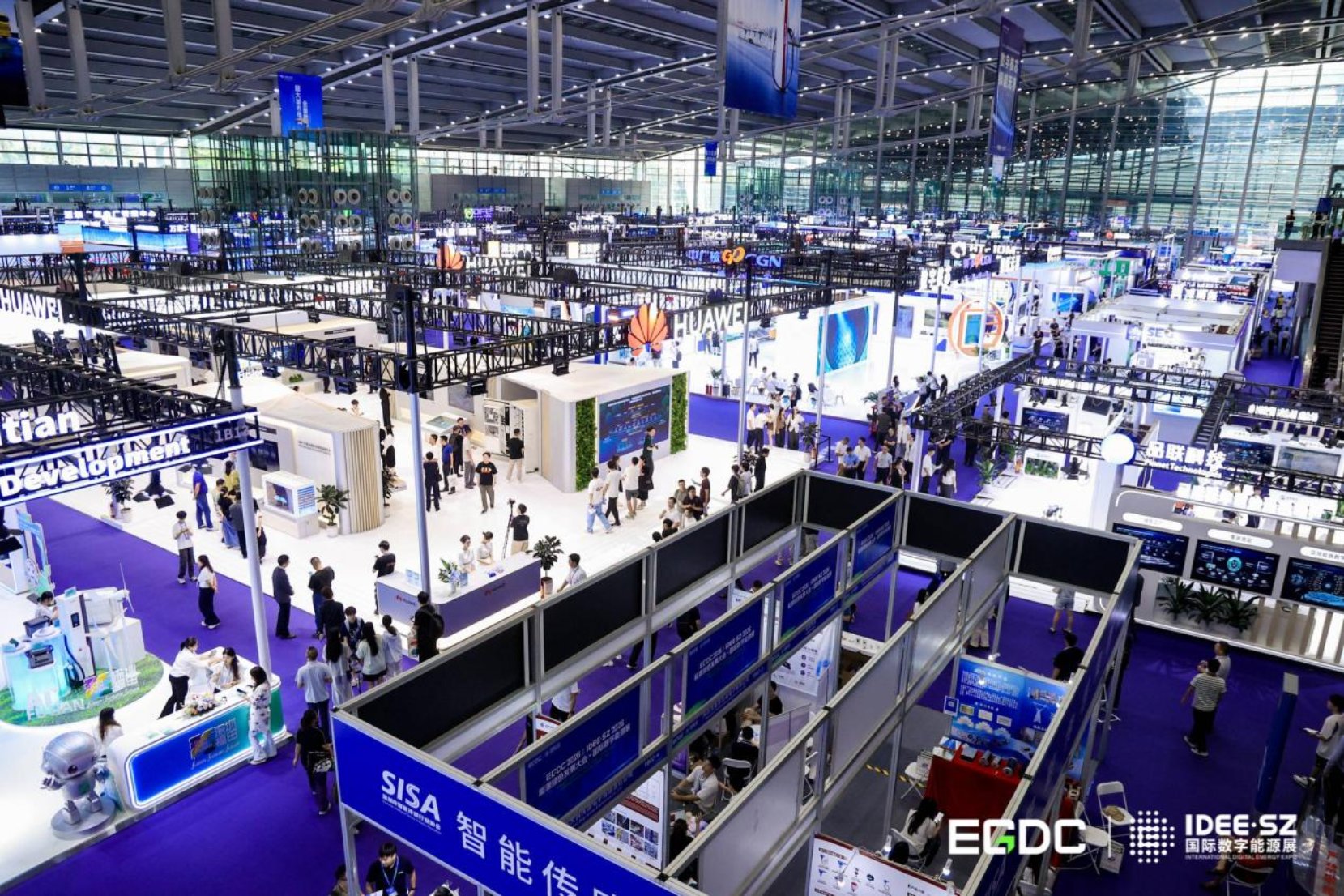
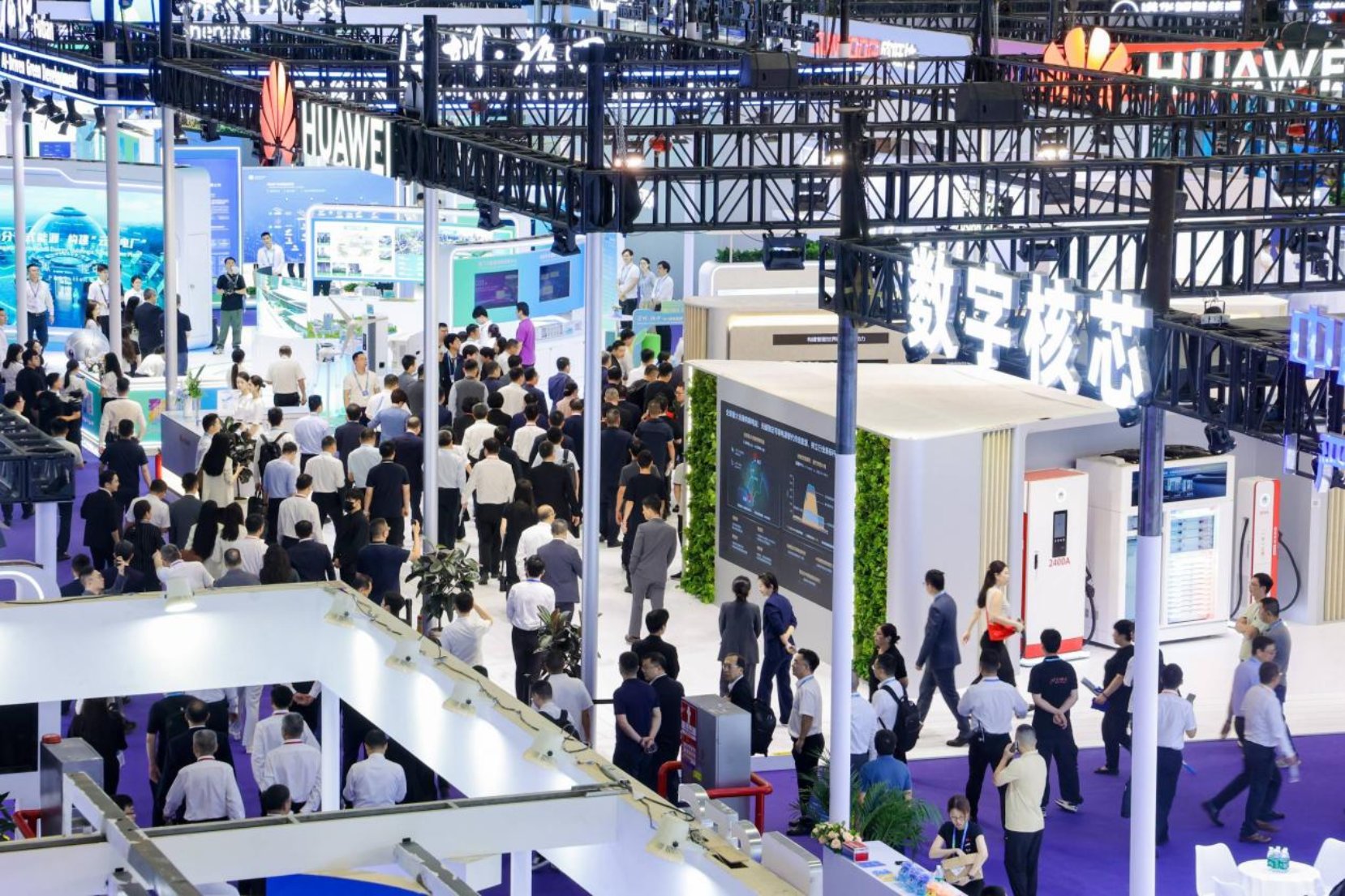
Green and Low-Carbon Development with Intelligent Integration: Shenzhen Showcases Its Digital Energy Innovation Foundation
Why was Shenzhen chosen to host this "Conference + Expo"? The answer lies in the city's industrial foundation, green transition achievements, and innovation ecosystem.
As a global hub for the electronic information technology industry, Shenzhen is accelerating the deep integration of digital technology and the energy sector, striving to build itself into a global pioneer city for digital energy. Clean-energy generation capacity within the city now accounts for over 80% of its total installed capacity. Its energy consumption per 10,000 yuan of GDP is just one-third of the national average, while its CO₂ emissions per 10,000 yuan of GDP stand at just one-fifth of the national average—reaching world-leading levels. In 2026, Shenzhen's peak electricity load exceeded 26 million kilowatts for the first time, with its load density firmly ranking first among all large and medium-sized cities in China. The average annual duration of power interruptions per user is less than seven minutes, ranking first nationwide on the "Getting Electricity" indicator. Its energy supply is secure, efficient, resilient, and reliable.
Industrial innovation provides a strong technological foundation for Shenzhen's digital energy development. The city's new energy industry has maintained double-digit growth in value-added output for four consecutive years, with 196 high-level digital energy technology innovation platforms established across the city. Shenzhen is home to a number of globally influential new energy industry leaders such as Huawei, BYD, and BTR New Material Group, alongside a cluster of specialized, sophisticated, distinctive, and innovative "Little Giant" enterprises and manufacturing champions. Technologies including liquid-cooled ultra-fast charging, photovoltaic inverters, and lithium-ion energy storage are leading the world.
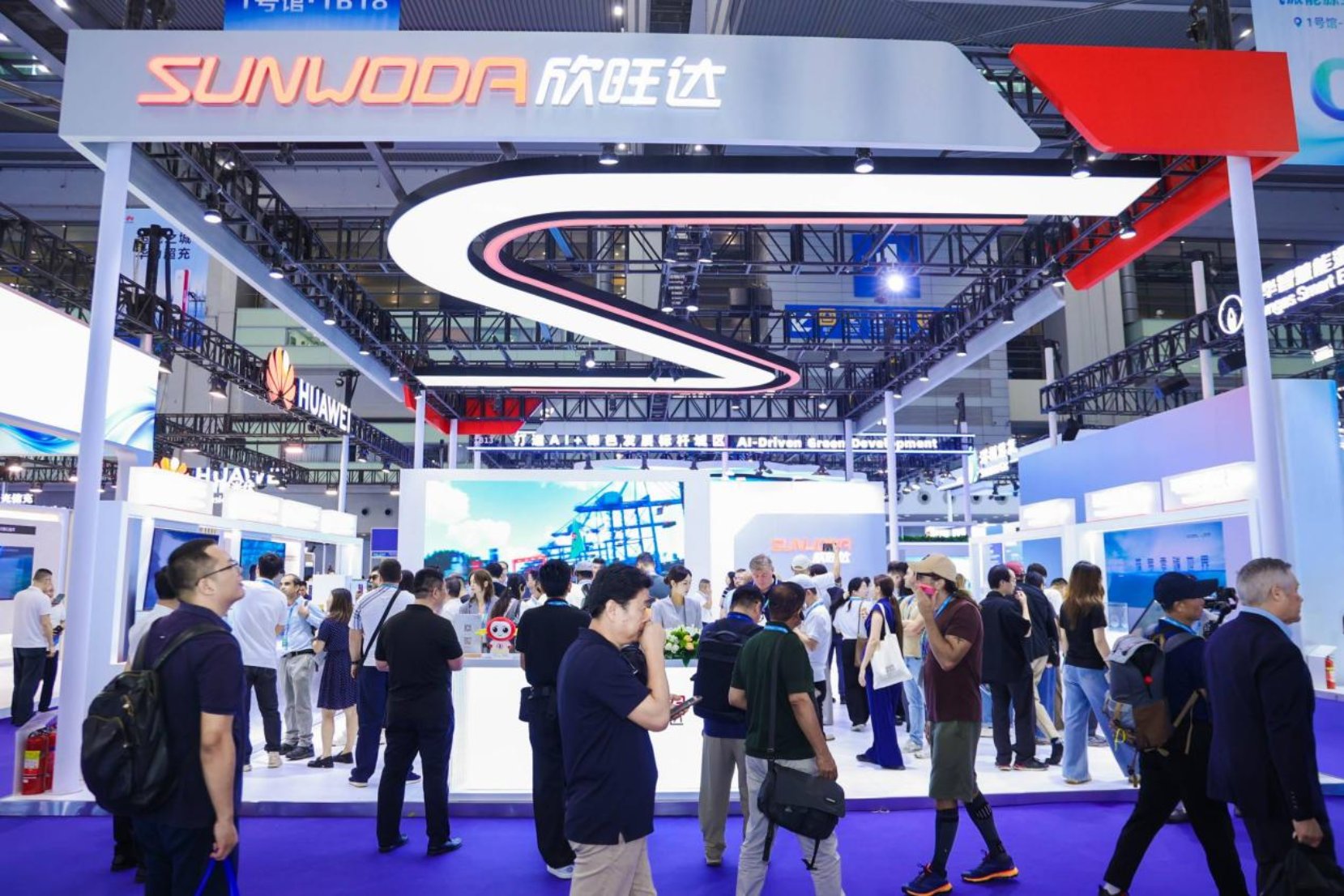
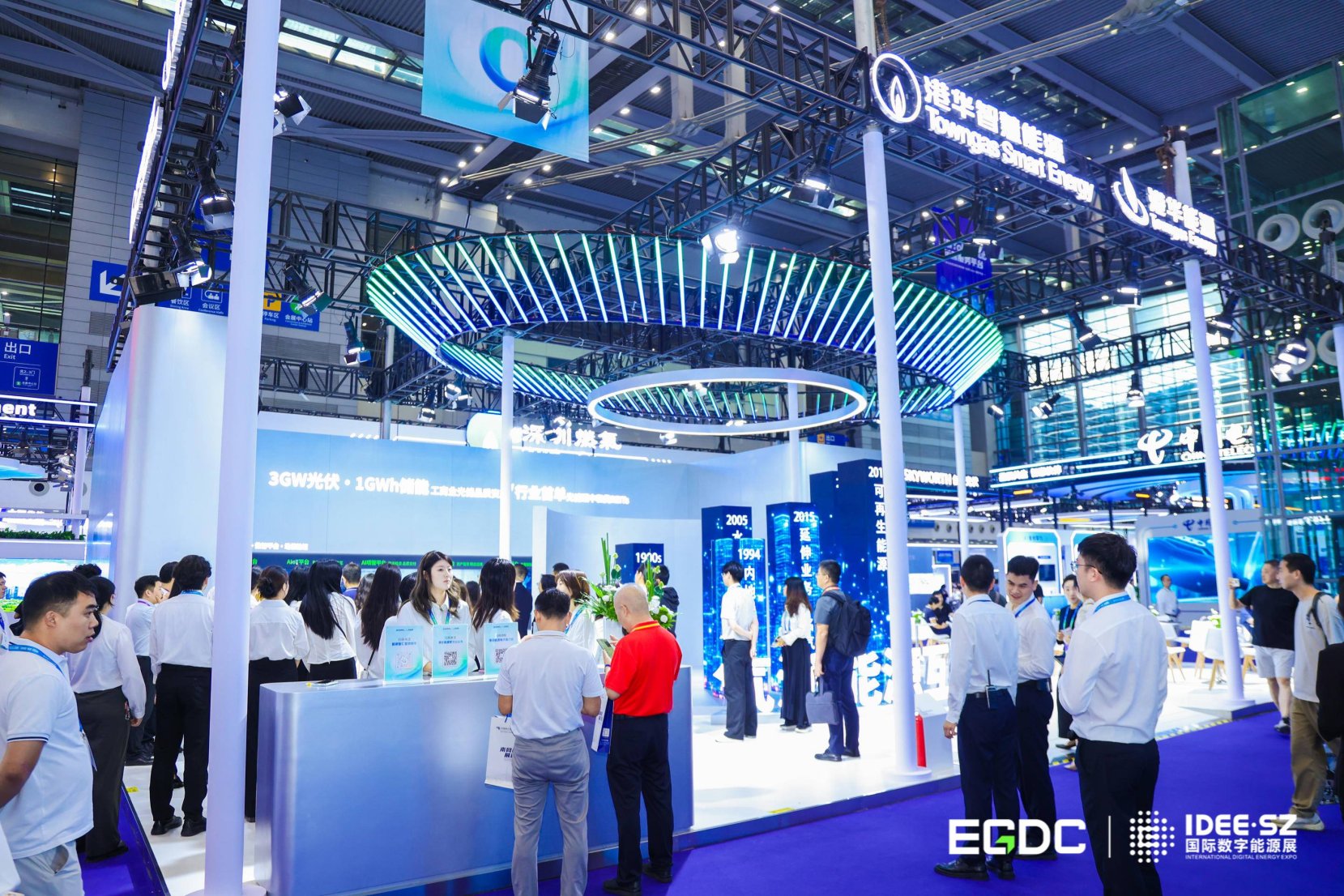
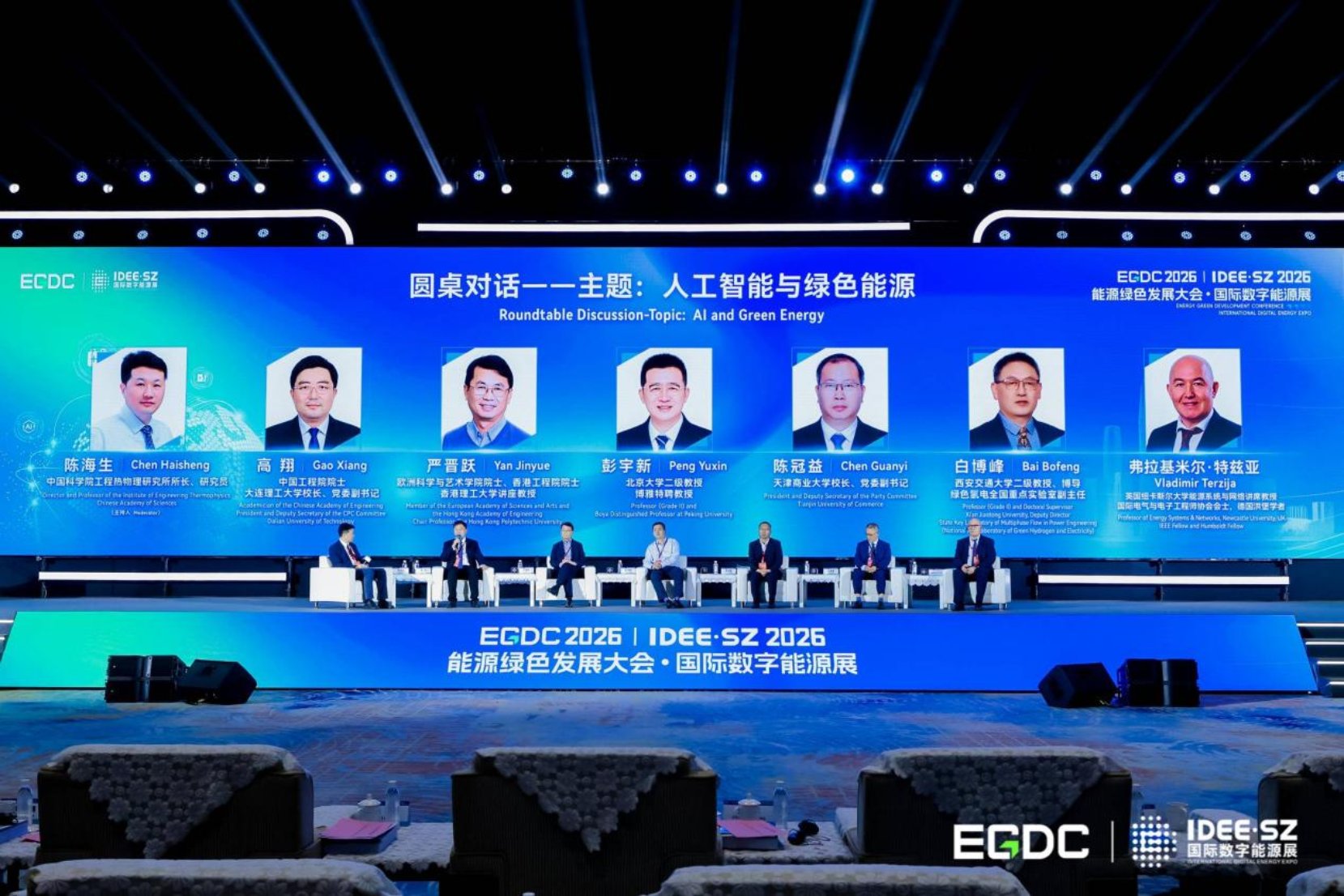
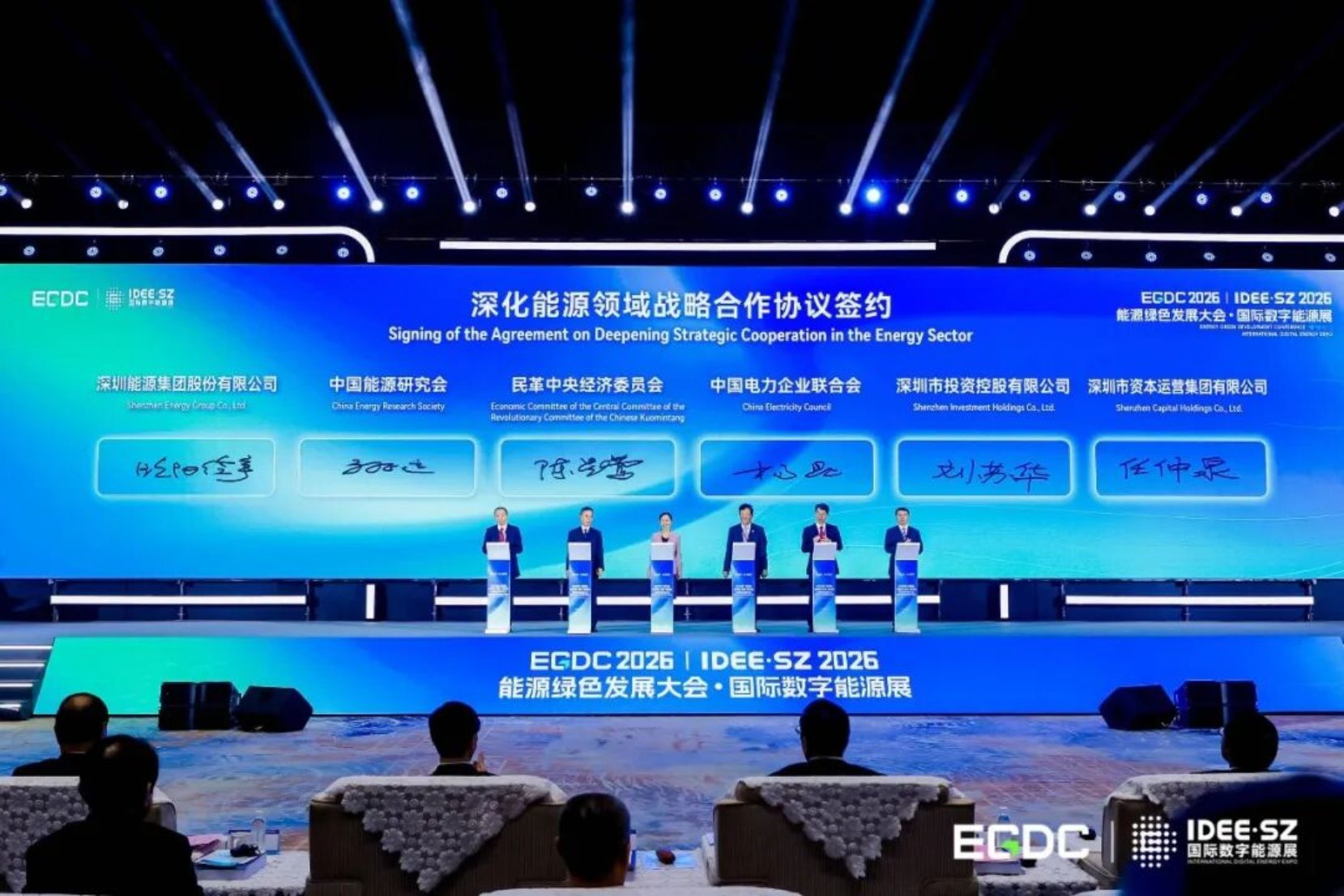
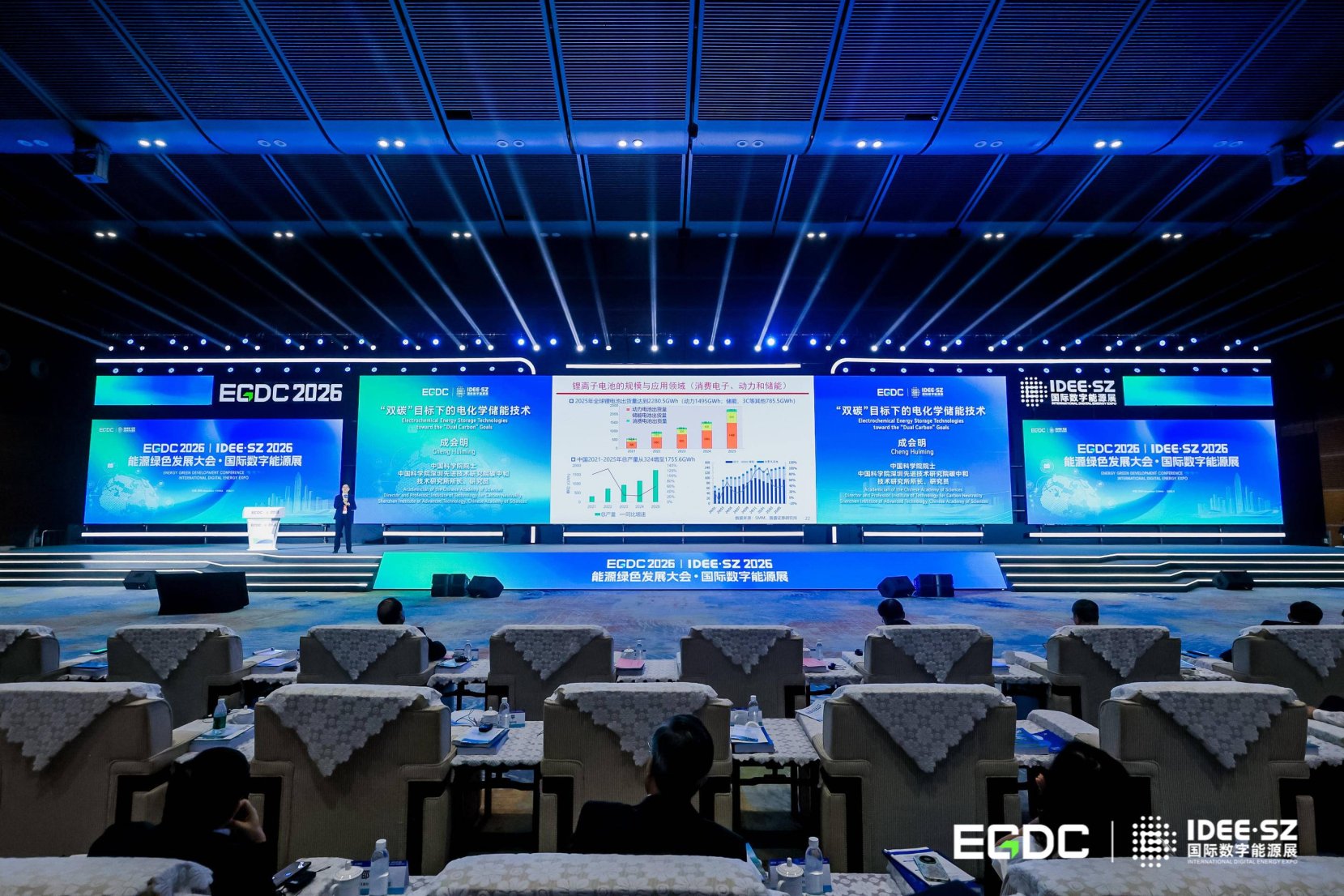
Recent national policy statements identify the computing-power network as a foundational infrastructure for artificial intelligence development and call for closer coordination between computing and electricity, greater integration of computing and the power grid, and faster implementation of projects such as direct green-power supply and integrated source-grid-load-storage systems. This strategic deployment charts the course for the integrated development of energy and computing, while also making the agenda of the current "Conference+Expo" more practically targeted and strategically forward-looking. At the opening ceremony and the main forum, academicians, experts, representatives from international organizations, and corporate executives spoke on topics including the new strategy for energy security, the development of a new energy system, carbon peaking and carbon neutrality alongside energy power technologies, and electrochemical energy storage. The roundtable dialogue focused on themes such as artificial intelligence and green energy, computing-electricity synergy and energy security, with representatives from universities, research institutions, power grid operators, computing enterprises, thermal management companies, and new energy firms engaging in in-depth exchanges.
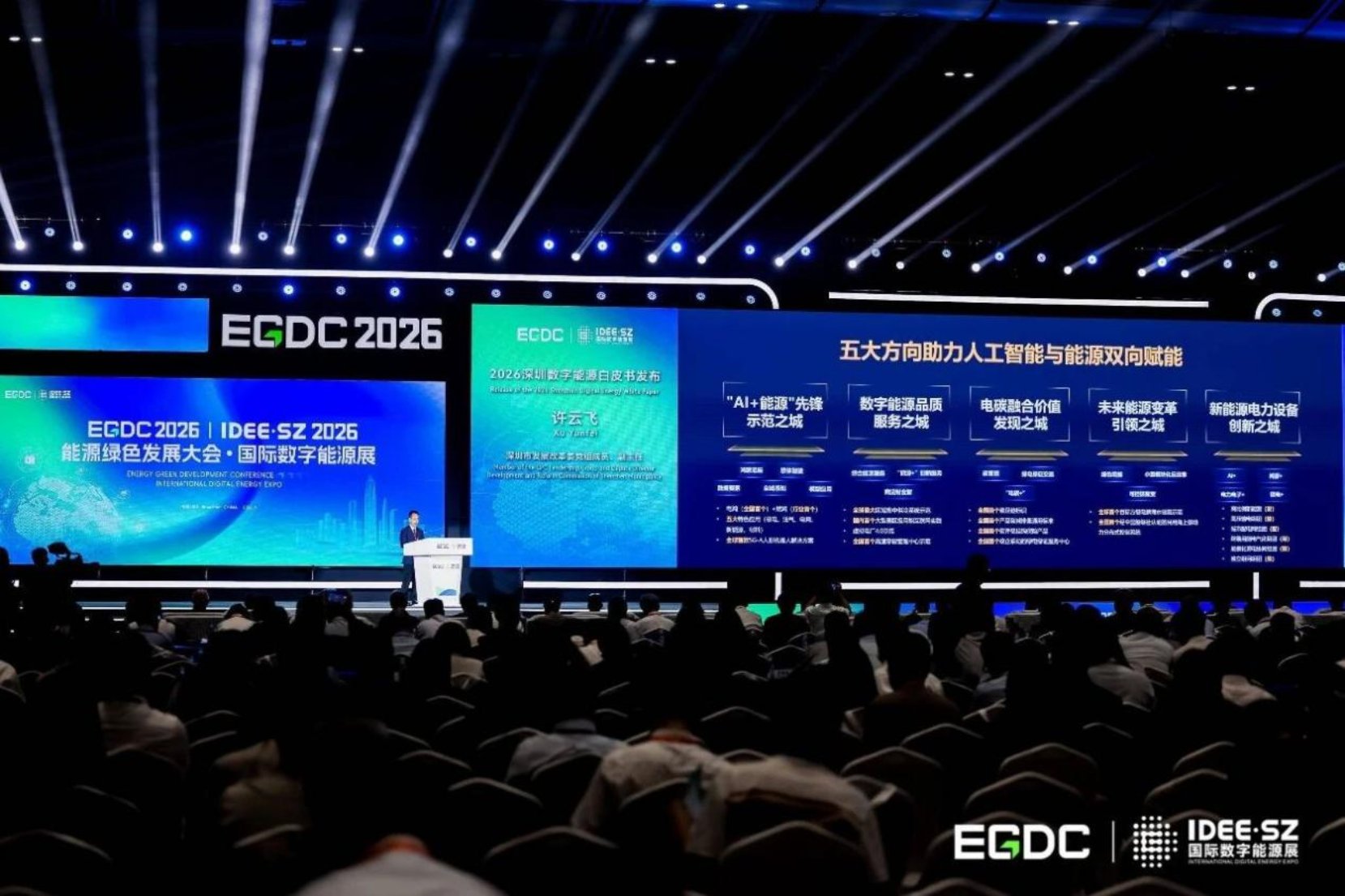
Three key achievements unveiled during the Expo: The international journal Energy Use officially launched; the Shenzhen Digital Energy White Paper 2026 was released, providing a "Shenzhen model" for new power system construction and energy digital transformation; and the China New Energy Industry City Competitiveness Index Report (2026) was published, pioneering the C-TECH INDEX three-tier evaluation system to accurately assess cities' new energy resource endowments and development foundations, contributing smart solutions for the nation's energy transition.
A Concentration of Major Debuts: From Grid-Forming Energy Storage to "Energy + AI" Breakthroughs Across Scenarios
Technology is key to driving the energy transition, while innovation is where it takes shape. The conference unveiled a batch of cutting-edge technologies, products, and solutions, high-value and highly impactful, forming the event's most impressive showcase innovation.
In terms of energy security and power system resilience, State Grid's key technologies for superconducting cable transmission and China Southern Power Grid's national-level power emergency system for the Guangdong-Hong Kong-Macao Greater Bay Area are both geared toward safeguarding bulk grid security and urban energy supply. Meanwhile, China National Nuclear Corporation (CNNC)'s "Chaotan-1" supercritical carbon dioxide power generation technology and China General Nuclear Power Corporation (CGN)'s "Fuguang One" large-scale concentrated solar power (CSP) technology have delivered robust solutions in clean and efficient coal-fired power utilization, advanced nuclear energy, and CSP generation, respectively. These technologies address the core requirements of stability and resilience in energy systems.
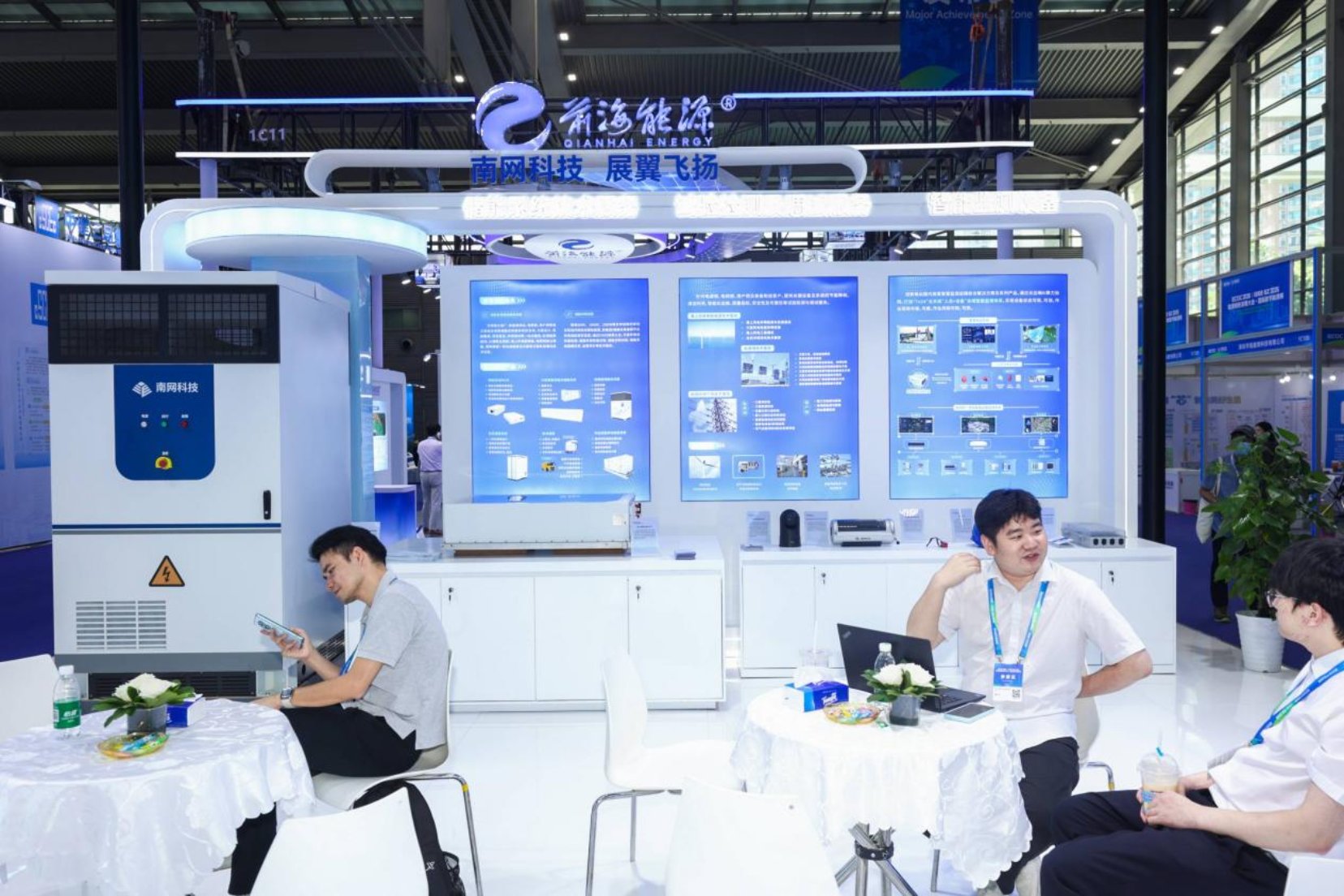
In the realm of energy storage and renewable energy integration, BYD Energy Storage unveiled its "GW-Scale Grid-Forming Energy Storage Solution 2.0", featuring the GC Block, an industry-leading plant-level standard unit—propelling energy storage from "grid-following" to "grid-supporting". Sunwoda launched its next-generation 6.26MWh liquid-cooled energy storage system, featuring high capacity, enhanced safety, and high performance. As energy storage technology continues to evolve toward larger capacity, enhanced safety, and grid-forming capabilities, large-scale renewable energy integration now has more reliable regulation and support mechanisms. Meanwhile, Huawei Digital Power introduced a source-grid-load-storage integrated AIDC solution, a one-stop inference solution for small and medium-sized AIDCs, and the FusionSolar 9.0 Smart PV+ESS Solution.
In the realm of "AI + Energy" integration, Shenzhen enterprises are leveraging Dianhong, the China's first power-sector IoT operating system, to enable plug-and-play connectivity and seamless data interoperability across diverse power terminals, including smart meters, switches, sensors, charging piles, and energy storage devices. This foundation has given rise to a range of "HarmonyOS + Energy" applications, such as Rundianhong, Fengdianhong, Chaochonghong, and Ranhong. CGN has launched "Yunzhong Jinshu", the China's first large language model application platform for the nuclear industry; China Southern Power Grid has introduced MegaWatt Yunrui, an AI-native agent for distribution grid planning tailored to next-generation distribution networks; CNOOC Shenzhen Branch has pioneered China's first ultra-long-distance offshore-onshore backbone communication link; Shenzhen Kehua has debuted an airborne mobile charging solution featuring a "robot-finds-vehicle" model; and RuoYu Robotics has deployed the world's first full-stack embodied-intelligence brain system designed specifically for refueling scenarios.
In the realm of integrated energy and cross-sector integration, Qianhai is building the world's largest regional centralized cooling system, with six cooling stations already in operation. The Shenzhen Super Headquarters Base is implementing China's first large-scale campus-level energy internet application. At Chunhui Substation in Houhai, China's first grid-forming solar-wind-storage integrated system for ensuring reliable power supply in real time has been completed. Shenzhen Energy's "Shenzhen Energy Cube", featuring modular design, can deliver standardized, replicable integrated green energy solutions to off-grid and weak-grid areas worldwide; it has completed construction and system commissioning at Mawan Power Plant. Shenzhen Energy's retrofit of the domestic F-class gas turbine control system was successfully commissioned at SE Genluk, achieving five consecutive first-time successes in power delivery, ignition, speed stabilization, grid connection, and full-load operation. CGN's "Fuxi-No.1", the world's first ultra-large-scale wind-aquaculture integrated net-cage platform, that enables "power generation above water and aquaculture below". Shenzhen Expressway Group has built China's first "Zero-Carbon Management Center" for expressways. Shenzhen Smart City Group has established China's first comprehensive demonstration station integrating "green energy+low-altitude applications". Tencent Cloud has created the world's first scheduling service platform for a data center powered 100% by direct green energy supply with computing-electricity synergy.
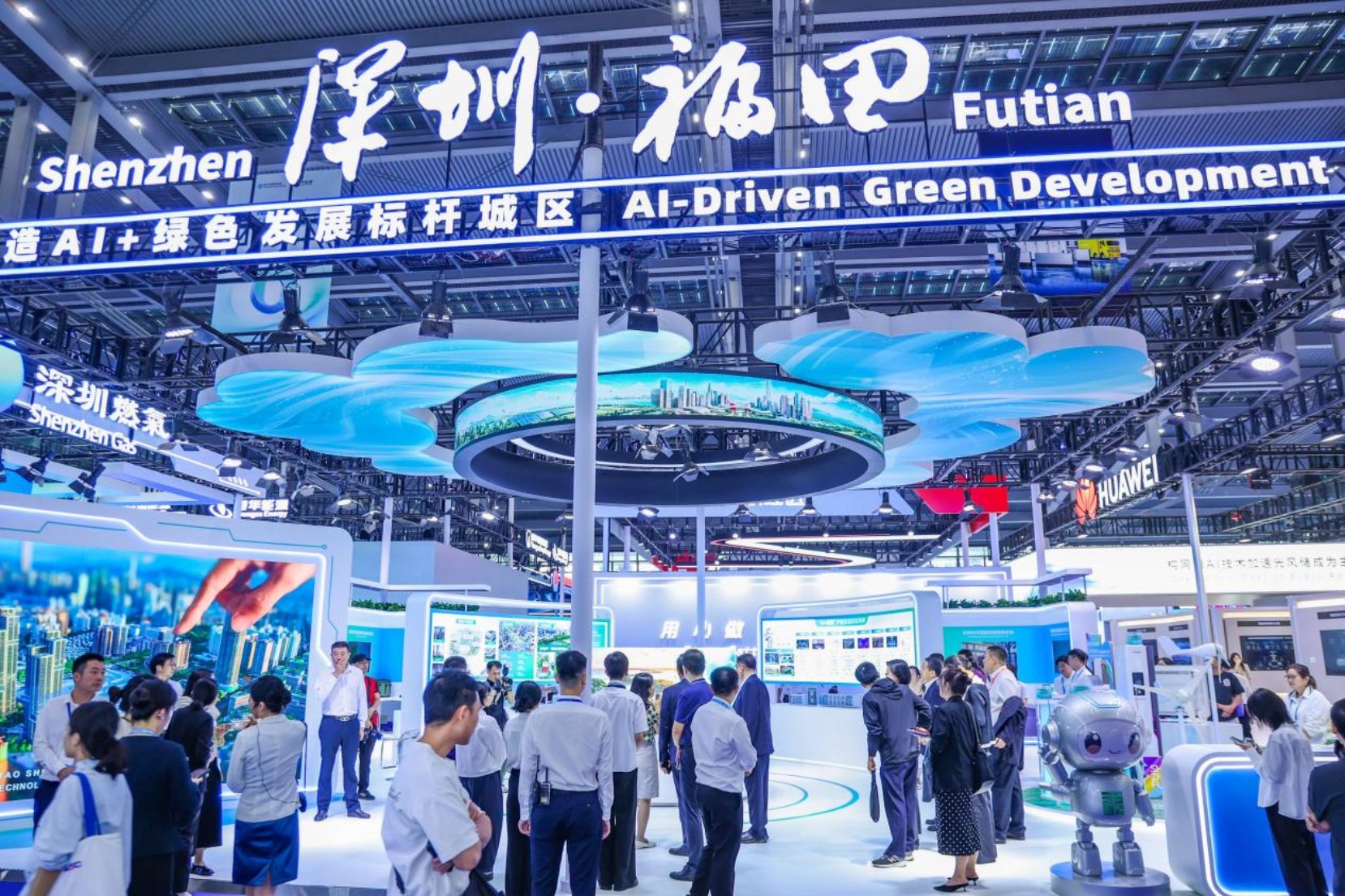
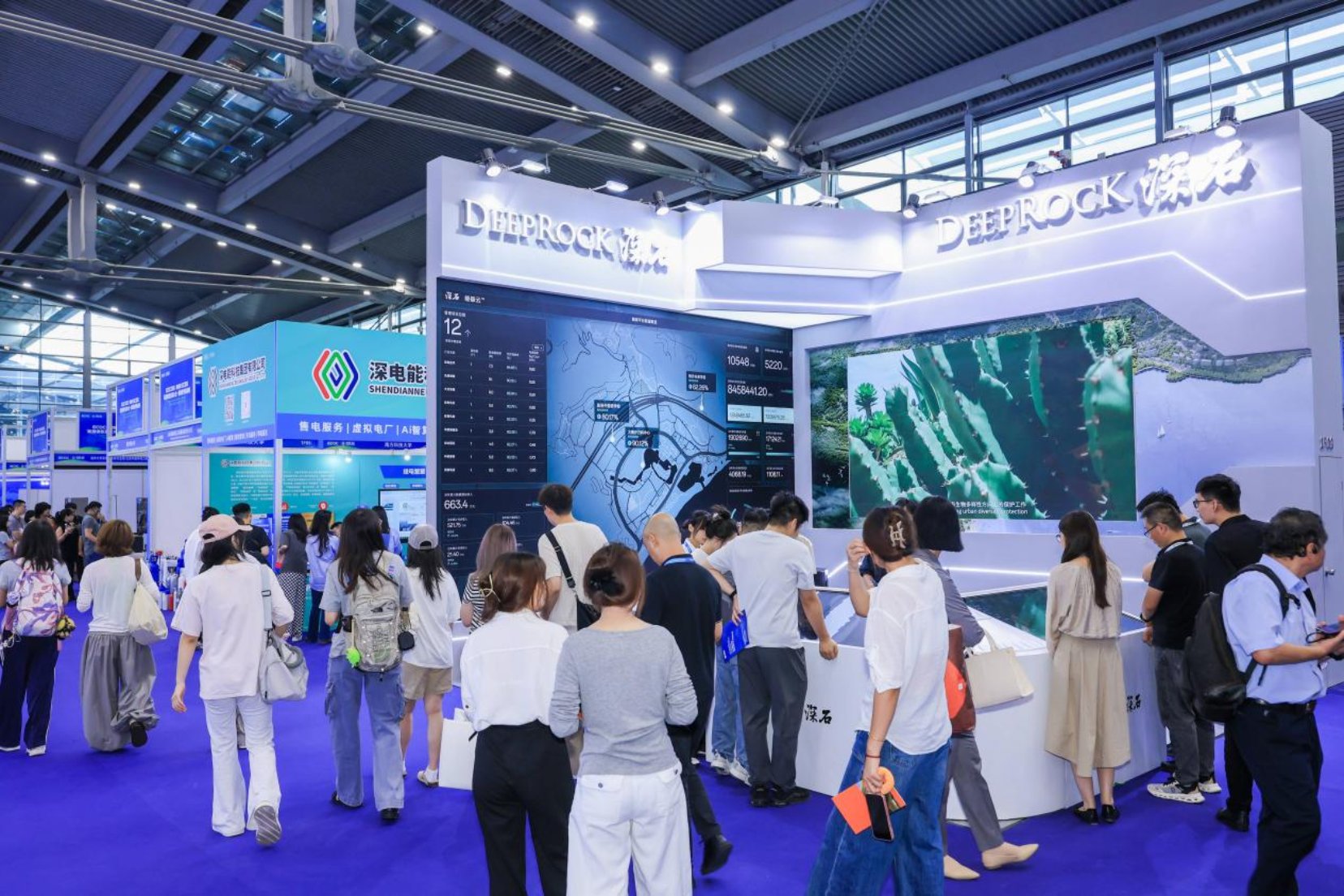
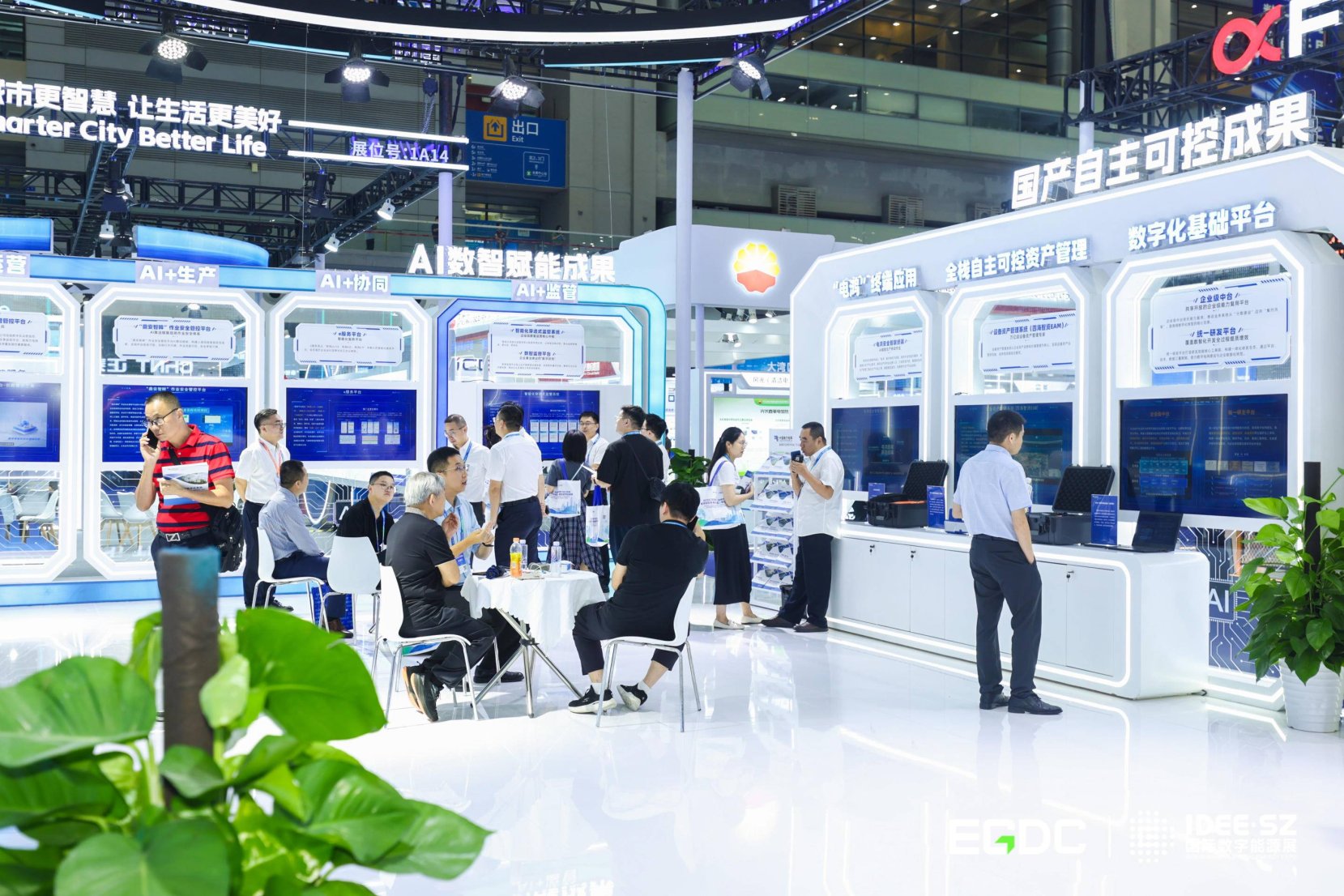
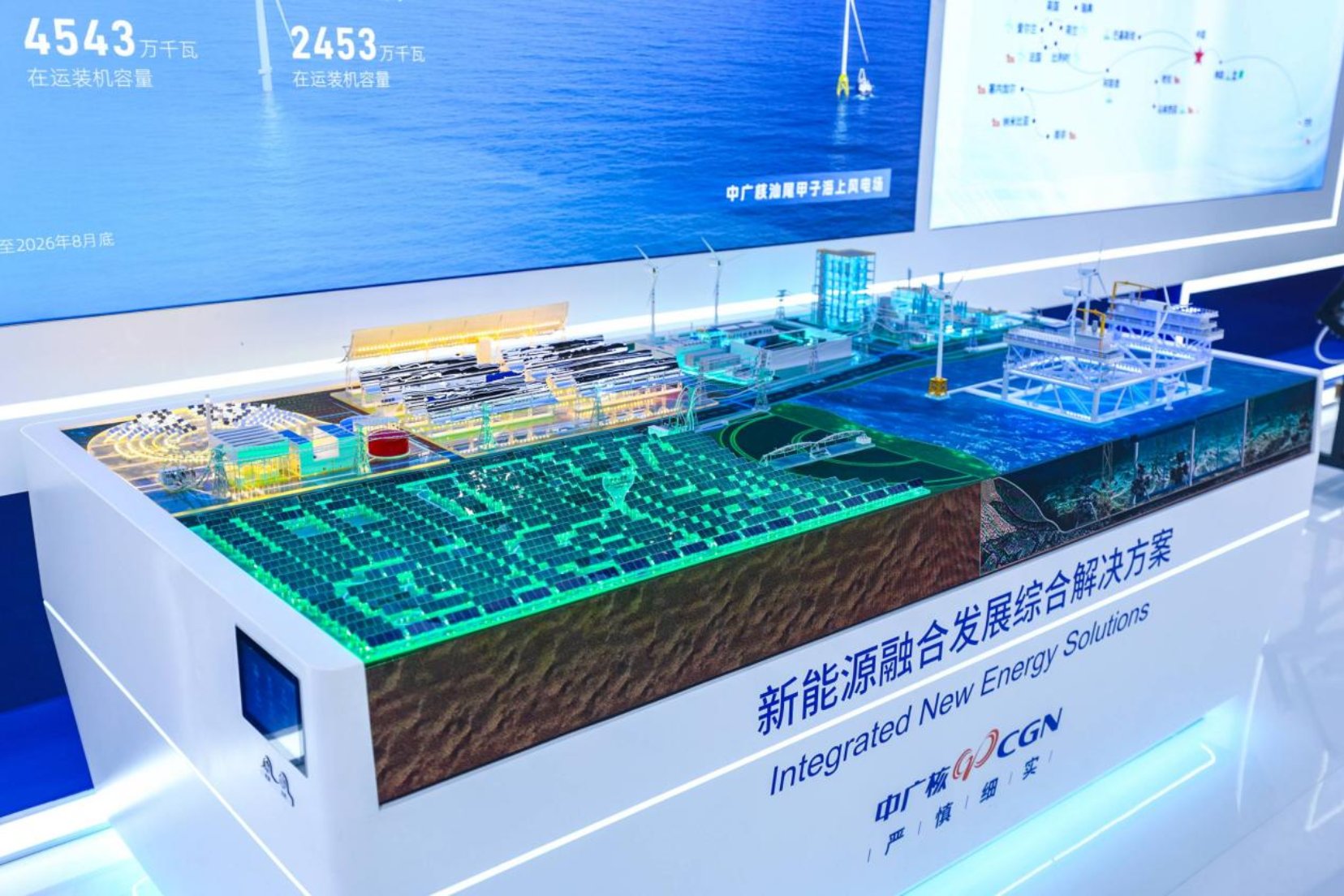
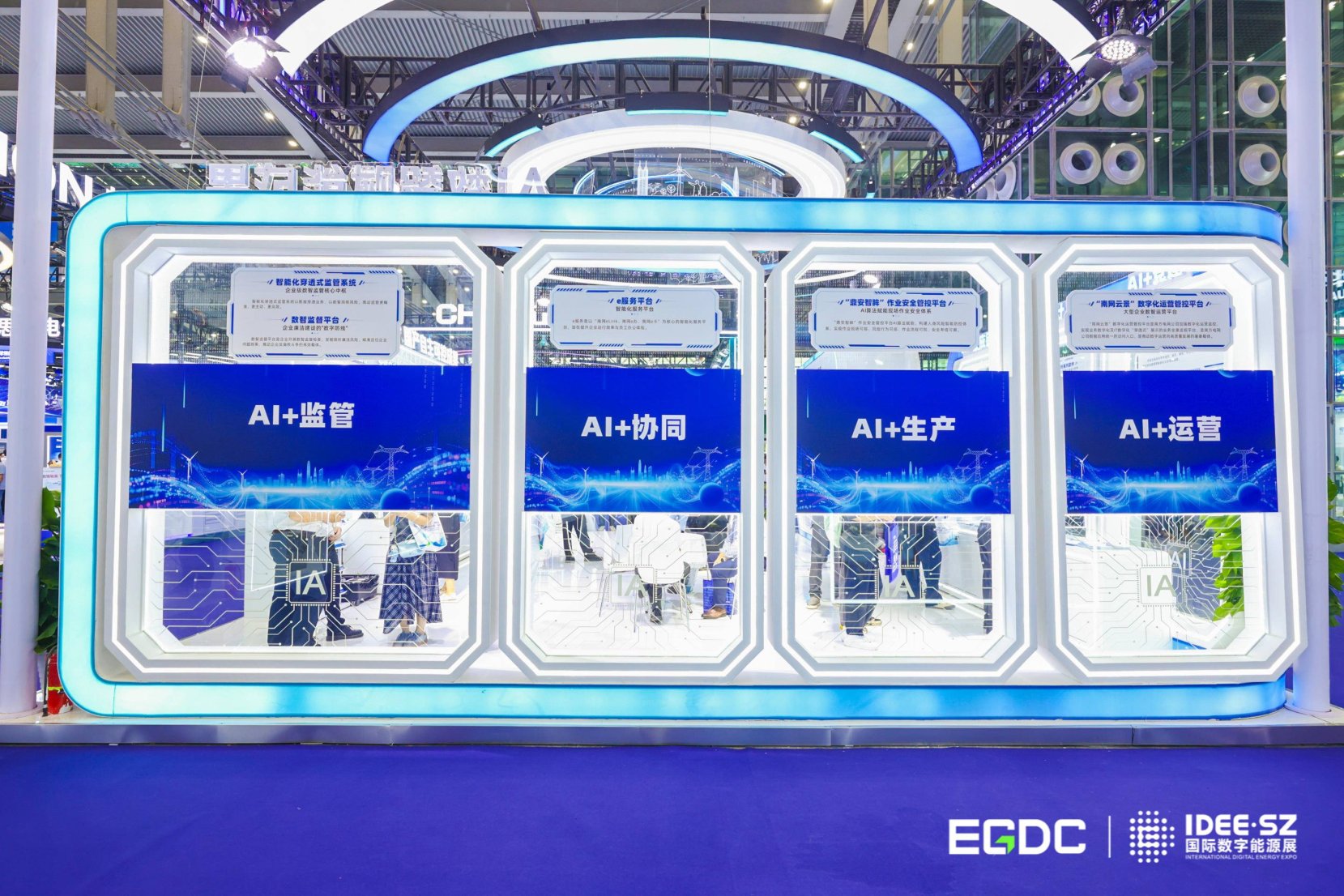
In the realm of electricity-carbon integration services, Shenzhen has established a comprehensive carbon service system spanning local carbon assessments, corporate carbon management, product carbon footprints, industry-wide carbon management, and project carbon evaluation, achieving multiple national "firsts". The city issued China's first carbon footprint label, China's first universal standard for product carbon emission reductions, and launched "Jiangtanbao", the China's first insurance product linked to carbon ratings. Since establishing China's first government-authorized green-power and green-certificate service center, Shenzhen Power Supply Bureau has pioneered a full-lifecycle service model covering application and connection, issuance, trading, certification, and retirement. It introduced China's first residential "green power on demand" and "green vehicle charging with green power" products. To date, the bureau has served over 1,200 key enterprises in the Guangdong-Hong Kong-Macao Greater Bay Area, facilitated green power and green certificate transactions totaling more than 68 billion kWh, and ranks first among all cities in the China Southern Power Grid region by the number of green-power trading users.
Advancing Global Connections and Technology Transfer in Tandem: Open Cooperation Expands Opportunities for Energy Transition
Internationalization is a defining feature of this year's "Conference+Expo". International organizations and experts—including the International Renewable Energy Agency (IRENA), the University of Strathclyde, Newcastle University, and the UNEP Copenhagen Climate Centre—engaged in in-depth exchanges. Nearly 400 overseas enterprises from more than 50 countries and regions participated, while over 200 international procurement delegations from Europe, the Americas, Southeast Asia, the Middle East, and Africa took part. More than 300 targeted project matchmaking sessions will be held, with intended procurement demands exceeding RMB 300 million. Shenzhen is providing more than a showcase—it has built an efficient global transaction matchmaking platform. Overseas buyers can connect here with China's new energy power equipment, energy storage systems, digital energy solutions, and operational services, while Chinese companies can leverage this opportunity to gauge overseas market demand and expand their cooperation networks.
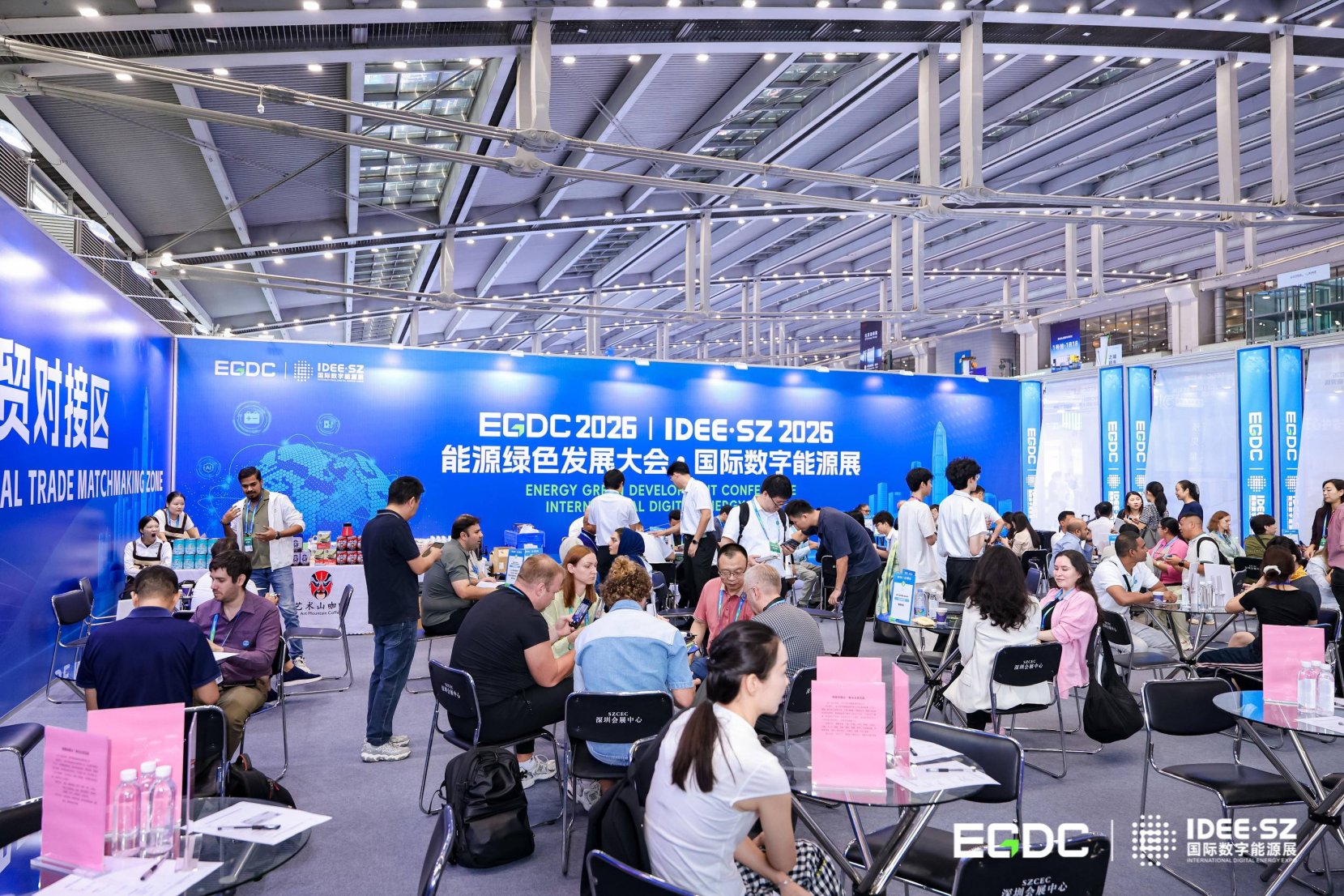
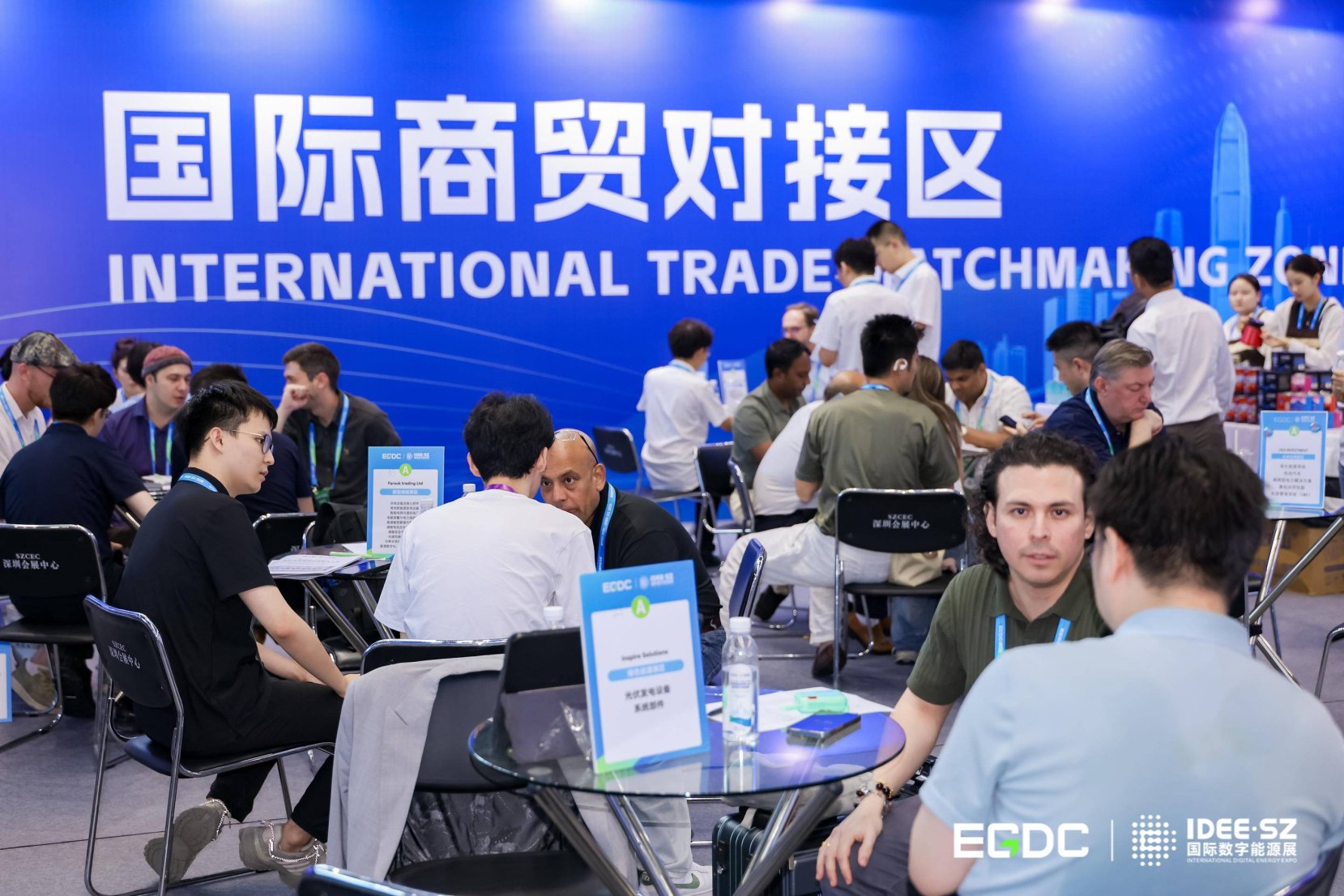
Technology transfer is also a highlight of this year's expo. The Greater Bay Area Computing-Power and Electricity Collaborative Innovation Consortium will be officially launched, bringing together universities, energy companies, power grid operators, telecom carriers, computing enterprises, and thermal management firms to establish a cross-sector platform for collaborative innovation between computing power and electricity. The launch of the consortium marks a shift: computing-electricity synergy is moving from a forum topic to an industrial coordination mechanism, and from conceptual discussion to project implementation.
The expo also connects with the APEC Energy Ministerial Meeting in Beijing, launching the "Digital Energy Shenzhen Tour", a curated program featuring 33 digital energy urban landmarks and two themed tour routes. These routes showcase benchmark cases in smart energy, new power systems, virtual power plants, ultra-fast charging ecosystems, and green ports. Parallel forums further broaden the scope of global discourse and deepen industrial engagement. The parallel sessions of the Energy Green Development Conference cover collaborative advancement of new energy and green fuels, space manufacturing and space energy, new energy systems for cities and buildings, foundational research in electrical engineering for the future, and carbon neutrality and intelligent integration of green energy. Meanwhile, forums and events at the International Digital Energy Expo address digital and intelligent safety and high-quality development of next-generation energy storage, global low-carbon industries, overseas market matchmaking, low-altitude applications empowering the marine economy, and AI-driven energy technology transformation alongside international investment and financing, forming a multidimensional network that interconnects fundamental research, engineering practice, business models, and capital access.
As a pioneer of China's reform and opening-up and a leading hub for technological innovation, Shenzhen has long been committed to driving industrial upgrading through technological innovation—continuously forging new competitive advantages in digital economy, new energy, energy storage, and smart grids. Looking ahead to the 15th Five-Year Plan period, Shenzhen will focus on advancing the strategic goal of building China into a strong energy nation, centering on high-quality energy development and guided by the goals of carbon peaking and carbon neutrality. The city will further leverage its first-mover advantages in electronics and information technology and new energy industries, as well as its diverse land-, sea-, and air-based application scenarios. By leveraging computing-power–electricity coordination to drive innovation in artificial intelligence, Shenzhen aims to deeply integrate its technological innovations, such as intelligent terminals, embodied AI, and the low-altitude economy, into the global energy industry value chain. Striving to play a pioneering role in the new energy revolution, Shenzhen is committed to contributing to the green energy transition in China and around the world.



 Visitor Registration
